Awards finalist (2026)
Seoul Tourism: Absolutely in SEOUL
Brand:
Seoul Tourism
Entered by:
CNBC
Credits:
Category:
Travel & Tourism

Building on the lack of connection between global K-culture consumption and Seoul as a travel destination, the campaign aimed to reposition the city as a must-visit, experience-led destination. The objective was to strengthen Seoul’s global brand competitiveness by transforming passive cultural interest into meaningful consideration and desire to visit.
The strategy was grounded in a key-insight: where K-culture is consumed at scale across food, music, beauty, and entertainment, this engagement largely exists outside of Seoul, with limited linkage to the city itself. At the same time, evolving travel behaviours show that modern travellers increasingly seek authentic, immersive and discovery-led experiences over traditional sightseeing.
To sharpen relevance, the campaign focused on solo travellers, an audience that over-indexes among globally minded, affluent and business-oriented individuals. This segment values independence, depth and cultural credibility, aligning with Seoul’s ambition to attract high-value visitors.
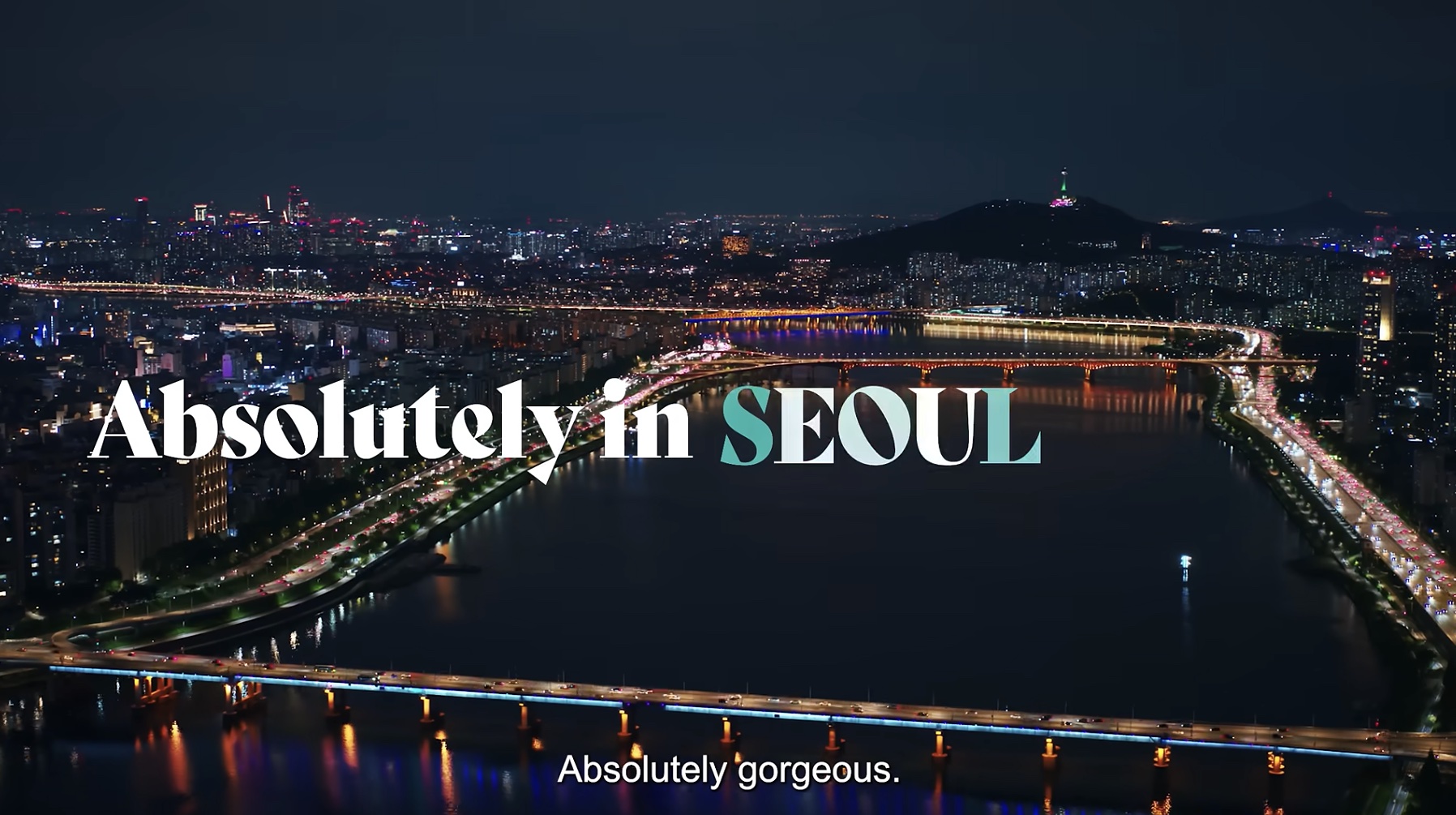
This created an opportunity to reframe Seoul not just as the origin of K-culture, but as the place where it can be fully experienced. Central to this was the selection of Chef Edward Lee, whose global profile was surging following the success of Netflix’s Culinary Class Wars. Already recognised internationally through Top Chef and for bridging Korean and American cuisines, he brought both cross-cultural credibility and timely cultural relevance.
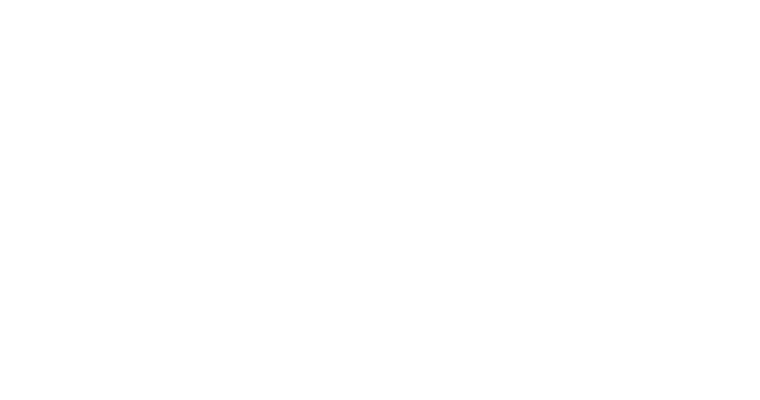
As the creative platform for the campaign, from iconic markets like Gwangjang to hidden trails and elevated city experiences, the campaign followed his solo journey through Seoul, capturing first-hand exploration across the city. Through his lens of personal discovery, the campaign brought to life Seoul as a destination of flavours, wonders and thrills, anchoring K-culture in lived, sensory moments, and transforming abstract cultural interest into tangible travel inspiration.
Content Solution
The content solution was designed to make Seoul feel discoverable in fragments, not presented as a finished story.
Rather than relying on traditional destination films built around narration, structure, and guided itineraries, the campaign adopted a consistent point of view across all content, placing audiences inside a series of first-hand, unfolding moments. Anchored by Chef Edward Lee, and extended further across other perspectives, the content followed a shared lens of exploration, capturing Seoul as it is experienced rather than explained.
This translated into a deliberate shift in craft. The camera moved with the subject rather than directing them, favouring handheld, observational shots over composed, touristic framing. Food was encountered mid-preparation and mid-bite, with close-up textures and sound. Markets felt crowded and kinetic, not staged. In contrast, moments of stillness, whether in nature or within the city, were allowed to breathe, creating rhythm and contrast. Across all films, the emphasis was on sensory detail, pacing and atmosphere, building an impression of Seoul that felt lived-in rather than curated.
The campaign was not structured as a single narrative, but as a series of self-contained moments of discovery. Each piece, regardless of length or format, captured a distinct interaction, mood or setting. Short-form and made-for-social content were not treated as cutdowns, but as standalone glimpses into the same journey, designed to be encountered independently, much like the city itself.
This approach marked a departure from conventional tourism storytelling, which often prioritises completeness and clarity. Instead of attempting to show everything, the campaign focused on selective, incomplete moments – inviting audiences to fill the gaps and imagine their own version of Seoul. This created a more active form of engagement, where meaning is built through accumulation rather than instruction.
By applying a unified creative lens across multiple perspectives, formats and touchpoints, the campaign established a scalable content system that could flex across platforms without losing its core identity. In a category built on telling people where to go, this campaign chose instead to show them how it feels to find it – that Seoul is not a destination to be consumed, but rather one to be discovered, personally, and on your own terms.
Media/Content Amplification Solution
The campaign was amplified through a strategically integrated paid media approach, designed to extend the idea of discovery across the environments where global audiences already engage with K-culture.
As both content creator and media partner, CNBC integrated production and paid distribution from the outset, allowing content to be designed for how and where it would be encountered. Instead of relying on a single hero placement, the campaign deployed paid media across both premium broadcast and social platforms, enabling audiences to encounter Seoul across multiple, contextually relevant touchpoints. This ensured the campaign was not experienced as a one-off message, but as a series of reinforcing encounters that built familiarity over time.
A social-first paid strategy formed the foundation, with targeted distribution across YouTube, Instagram, TikTok and Facebook, which are social platforms where K-culture is actively discovered, shared and reinterpreted. To maximise relevance, three high-value audience segments were defined: solo travellers, frequent travellers, and luxury travellers – each reflecting a distinct pathway into Seoul, from independent exploration to premium, experience-led travel.
Rather than tailoring creative by segment, the campaign adopted a test-and-learn targeting approach, deploying consistent content while refining interest and demographic signals. This enabled a deeper understanding of how different traveller profiles engage with the campaign, informing ongoing optimisation and future strategy.
Each platform played a distinct role within the ecosystem. TikTok and Instagram drove discovery through algorithmic reach and shareability, surfacing content within everyday scrolling behaviour. YouTube enabled deeper engagement through longer-form storytelling. LinkedIn extended the campaign into a more affluent, globally minded and professionally engaged audience, aligning with Seoul’s ambition to attract high-value visitors.
Beyond social, the campaign scaled through a high-frequency paid TV strategy across CNBC Asia, CNBC Europe and NBCUniversal OTS in key global markets including New York, San Francisco, and Los Angeles. These placements positioned Seoul within trusted, high-attention environments, reinforcing credibility and elevating perception among international audiences.
The result was a deliberate balance of precision and scale, targeted engagement through social, and broader impact through premium broadcast. By aligning paid media strategy with audience behaviour, the campaign built Seoul through repeated, contextual encounters, allowing interest to develop gradually, across moments, and on audiences’ own terms.
Results
The campaign delivered strong performance at both scale and depth, demonstrating its ability to translate global engagement with K-culture into meaningful interaction with Seoul as a destination.
Across paid media, the campaign achieved extensive international reach across both premium broadcast and social platforms, ensuring sustained visibility among globally minded audiences. High-frequency TV placements across key markets reinforced Seoul’s presence in trusted, high-attention environments.
On social, the campaign generated strong viewership and above-benchmark engagement, with average completion rates reaching up to 3.6 times above the internal norms. On YouTube, completion rates significantly outperformed benchmarks, signalling audiences’ willingness to engage with longer-form, immersive storytelling rather than surface-level content, which is an important indicator of deeper interest beyond passive viewing.
Content performance clearly reflected the effectiveness of the creative approach. Experience-led narratives consistently ranked among the top-performing assets, with high-impact, activity-driven content emerging as a key driver of engagement. At the same time, first-hand, conversational formats also delivered equally strong results, demonstrating the power of relatable, in-situ storytelling in connecting K-culture back to Seoul as a place.
Audience engagement further validated the campaign’s targeting approach. Frequent travellers emerged as the most engaged segment, delivering the highest levels of viewership and completion rates, up to 4x higher than other audience groups. This highlights the campaign’s success in reaching high-value travellers and aligning the content with their motivations.
Together, these results demonstrate a clear shift from passive exposure to active engagement. Audiences did not just encounter the campaign – they spent time with it, explored it, and responded to experience-led storytelling. This signals meaningful progress towards the campaign objective, positioning Seoul not just as a cultural phenomenon, but as a destination to be discovered and experienced.