Awards finalist (2026) 🏅
Hitachi: Powering the age of electricity –
Energy security, AI and the future grid
Brand:
Hitachi
Entered by:
Economist Enterprise
Credits:
Category:
Branded Event


Bringing together the world’s most influential business and policy leaders, The World Economic Forum is a highly competitive environment for brands, with events and messages competing for the attention of senior audiences. Hitachi Energy needed more than presence; it needed a
distinctive, credible way to demonstrate its leadership.
As a leader in convening the world’s most influential audiences, Economist Enterprise knows that decision-makers at Davos are not looking for traditional brand messaging; they are looking for informed perspectives and practical solutions to complex global challenges. With energy security high on the global agenda, Hitachi Energy had the ideal opportunity to demonstrate its relevance and leadership.
The branded event experience was central to this strategic approach, designed to convene senior stakeholders, host thought-provoking conversations, demonstrate Hitachi Energy’s capabilities and create direct connections.
Additionally, the events were complemented by a robust content strategy that gave the brand a distinctive voice before, during and after Davos: not just to be seen, but to lead a relevant conversation.
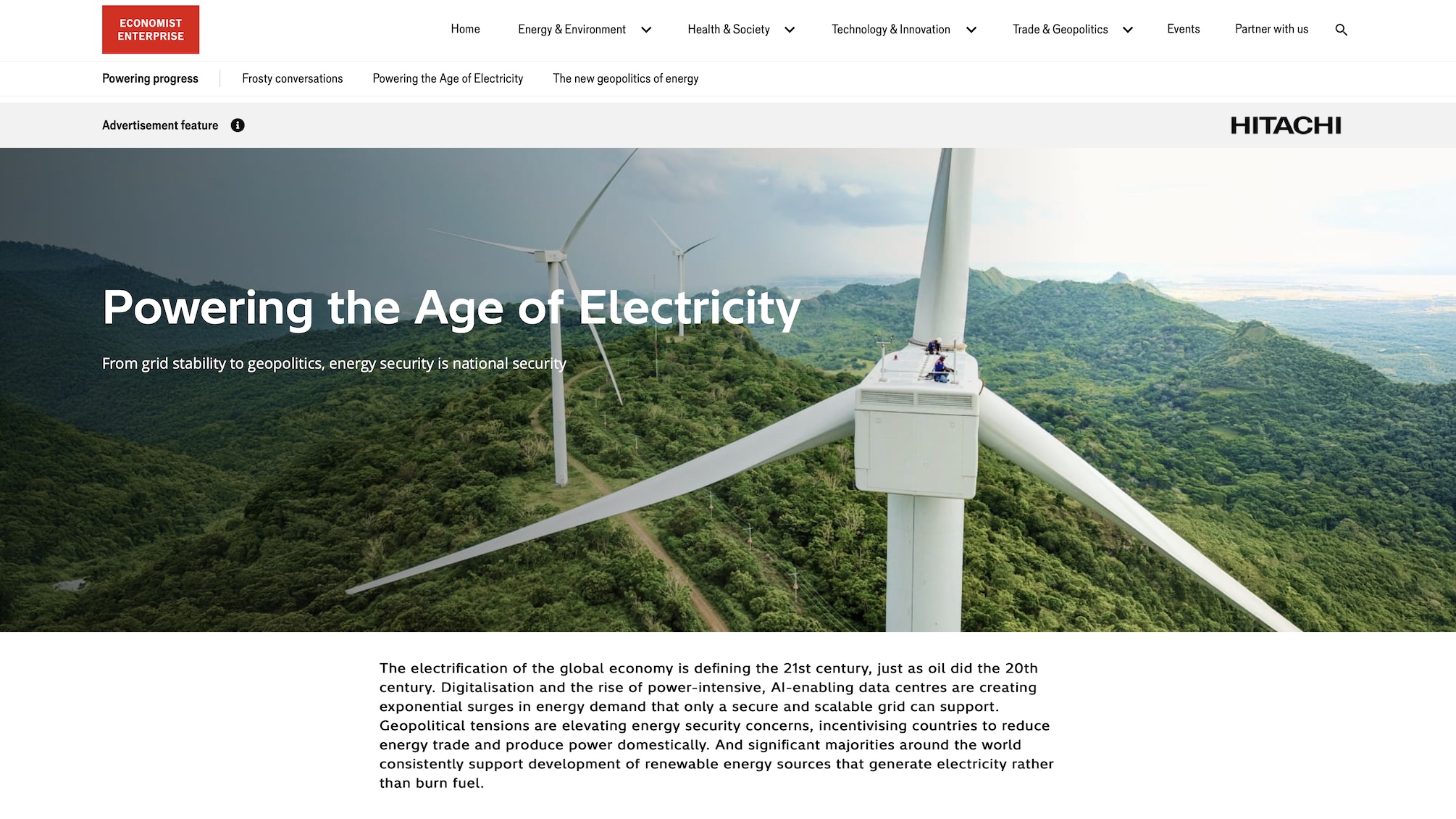
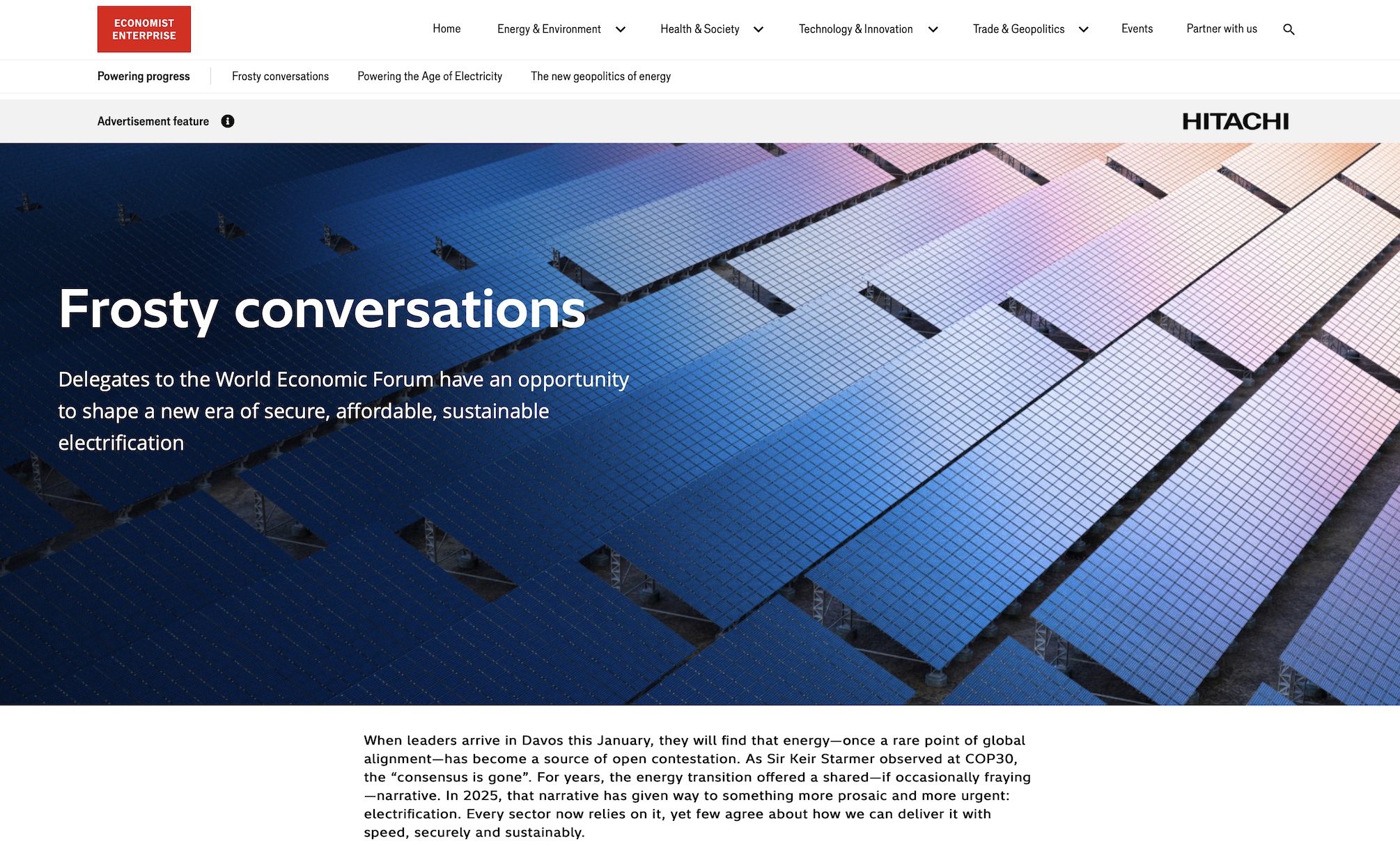
A branded article set the scene in advance, unpicking five of the most challenging energy-related questions shaping the conversation. The two-part event experience then brought those themes to life on the ground, creating a live platform for expert discussion and senior engagement. After the event, further written and video content carried the insights and conversations beyond Davos week, extending the campaign’s impact to audiences who were not in the room.
By combining curated programming from Economist Enterprise, thought leadership and amplification within premium environments, the strategy turned Hitachi Energy’s Davos presence into a credible expression of its expertise and ambition in the future of energy.
Content Solution
Hitachi Energy came to Davos with a clear ambition: to be seen as a critical partner in building the infrastructure needed for a more secure, electrified future. In an increasingly crowded Davos landscape, where brands compete for the attention of global leaders, Economist Enterprise created a solution designed to give Hitachi Energy additional visibility.
The strategy was built around a timely editorial tension. The energy transition remains urgent, but political consensus on climate action is becoming harder to rely on. At the same time, demand for electricity is accelerating. This created an opportunity to move the conversation beyond ambition to action – focusing on the practical systems, partnerships and investments needed to power the next era.
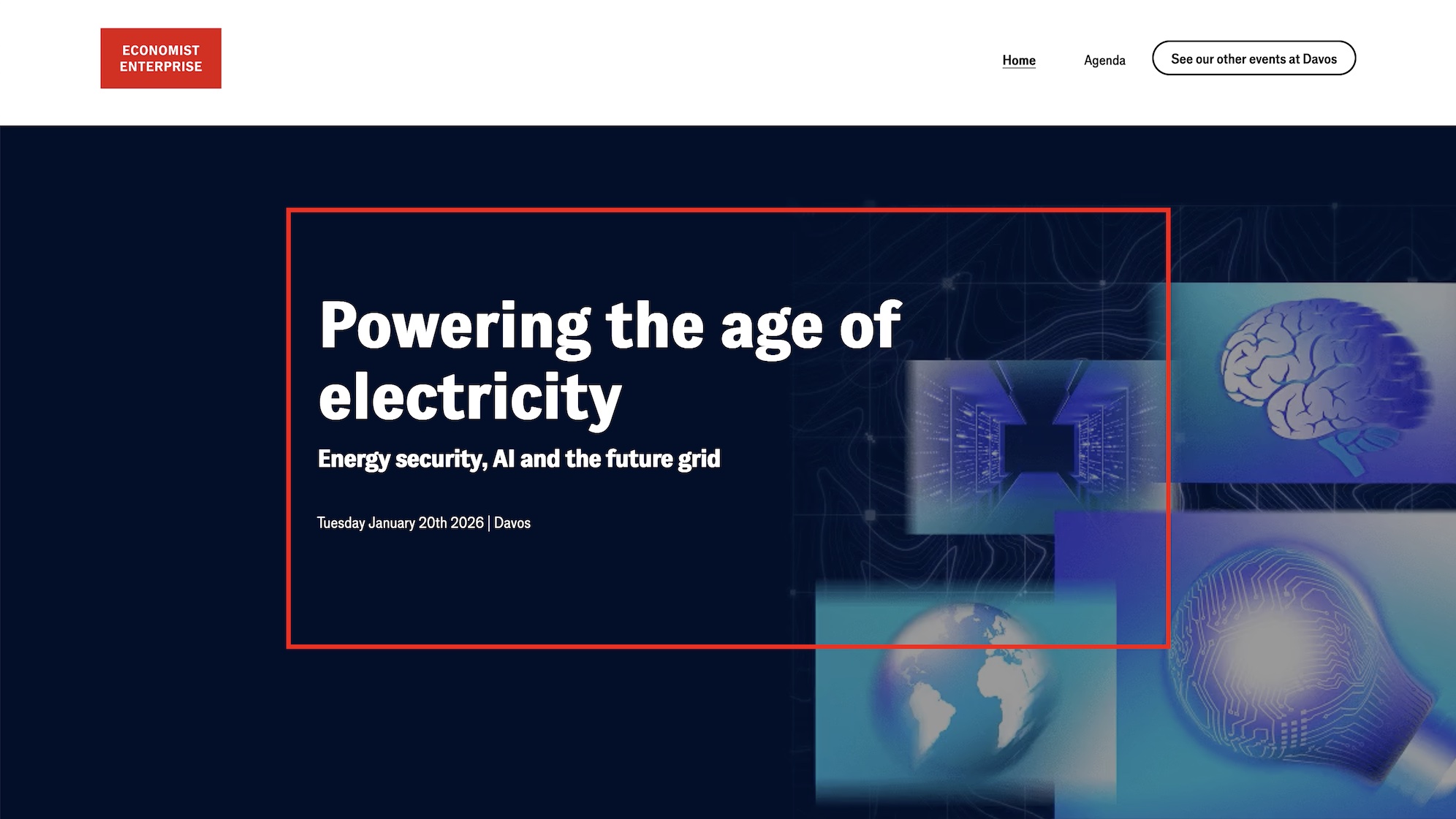
To do this, Economist Enterprise developed a connected programme that combined convening, content and amplification. At its core was a custom salon, “Powering the age of electricity”, held in Davos alongside the World Economic Forum. Chaired by Vijay Vaitheeswaran, former Global energy & climate innovation editor, The Economist, the session brought together leaders from energy, finance, policy and academia. It examined how governments and businesses can build secure, scalable energy systems that meet electrification and AI needs of tomorrow while navigating a rapidly changing
power landscape.
The salon gave Hitachi Energy a second platform within the wider Davos environment. Held at the World Economic Forum and moderated by Constance Hunter, chief economist, Economist Intelligence Unit, the audience was composed of WEF white badge holders (CEOs and c-suite executives, NGOs and policy makers) from around the world.
Together, the two formats allowed Hitachi Energy to speak to both the immediate realities of energy security and the longer-term infrastructure challenge created by AI and electrification.
Our solution was designed to travel beyond the room. Before Davos, a branded article, helped set the agenda in advance by unpicking five of the thorniest energy-related questions shaping the conversation. Post-event editorial and video assets continued the conversation, exploring grid modernisation, AI-driven electricity demand and intelligent infrastructure – all housed on a branded digital hub.
This gave the campaign a clear narrative: setting the context before Davos, convening the right people during Davos, and extending the value of the discussion after. Utilising Economist Enterprise’s sharp editorial framing, trusted moderation and convening power, Hitachi Energy were able to authentically showcase its expertise in grid infrastructure, energy security and digital systems.
Media/Content Amplification Solution
The amplification strategy was designed around a simple challenge: Davos is crowded, competitive and highly selective. To cut through, the campaign needed to reach senior decision-makers before, during and after the week itself, using both targeted media and direct personal outreach.
Audience acquisition for the salon combined high-touch outreach with digital marketing. Economist Enterprise used targeted email marketing, organic LinkedIn activity, paid LinkedIn promotion, paid Google Search and banner advertising across The Economist website. This was supported by personal outreach through email, phone and LinkedIn, led by a dedicated VIP acquisition manager.
The campaign also used research into WEF attendees and previous Davos event data to identify the most relevant prospects. This meant outreach could focus on the people Hitachi Energy most wanted to engage: senior leaders across energy, utilities, finance, policy, infrastructure and technology.
The live event was also promoted through the wider Economist Enterprise Davos campaign, allowing the Hitachi Energy session to benefit from cross-promotion across the full WEF programme. This helped position the salon as part of a broader, high-quality Davos agenda rather than a standalone sponsored event.
For the content campaign, amplification was tailored to each asset. Display banners across The Economist ecosystem drove traffic to the pre and post-Davos articles, with messaging focused on the core campaign themes: the future of the grid, the rise of AI-driven electricity demand and the need for secure, resilient infrastructure. Paid and organic social media extended the reach further, using concise, editorial-style creative designs for professional audiences.
The event was also featured on Economist Enterprise’s World Economic Forum event hub, a webpage showcasing all 11 of Economist Enterprise’s activations and sponsorship opportunities at the World Economic Forum 2026. The event hub webpage had over 21,000 global users, 54,000 impressions and 6,500 clicks.
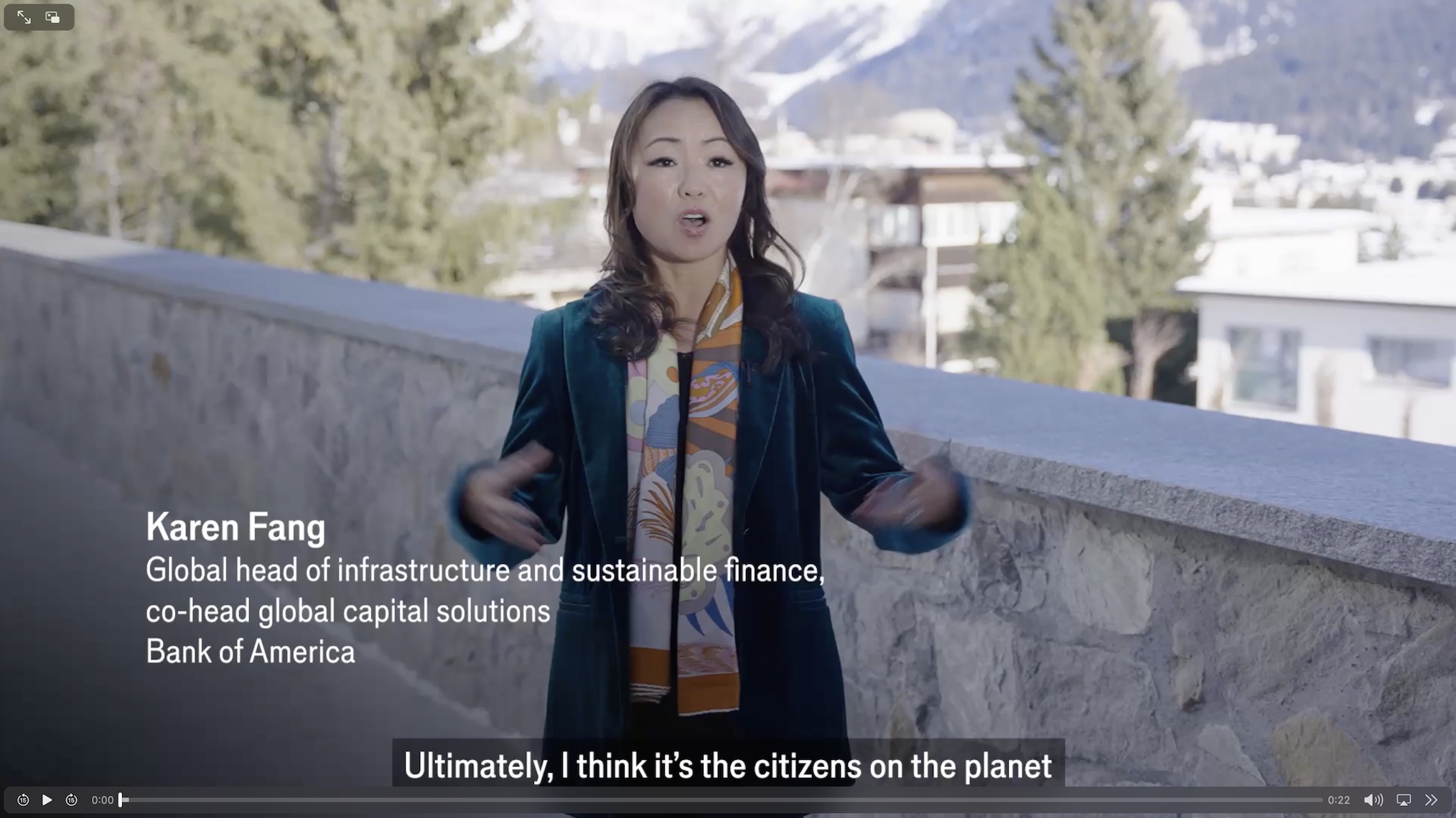
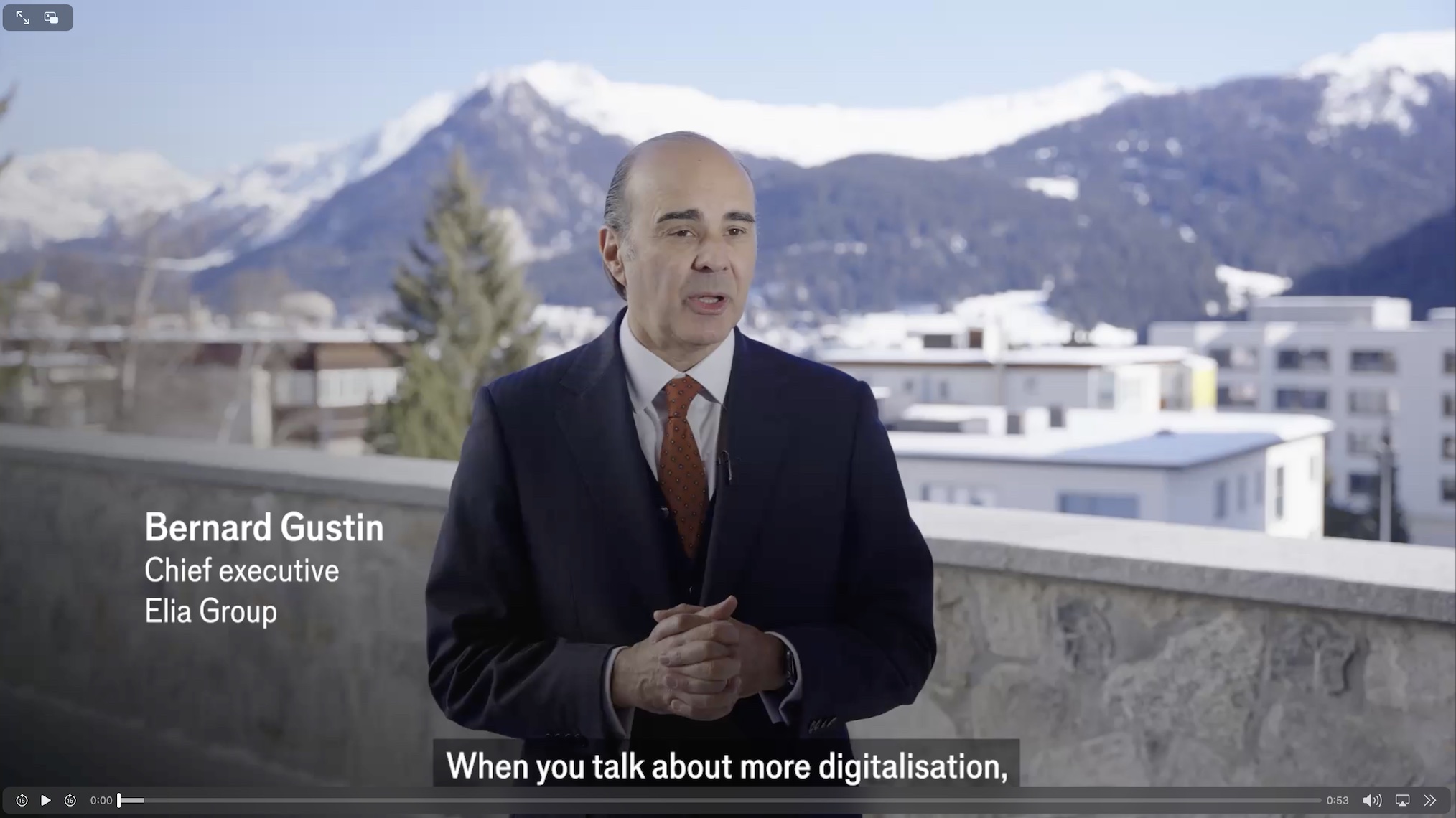
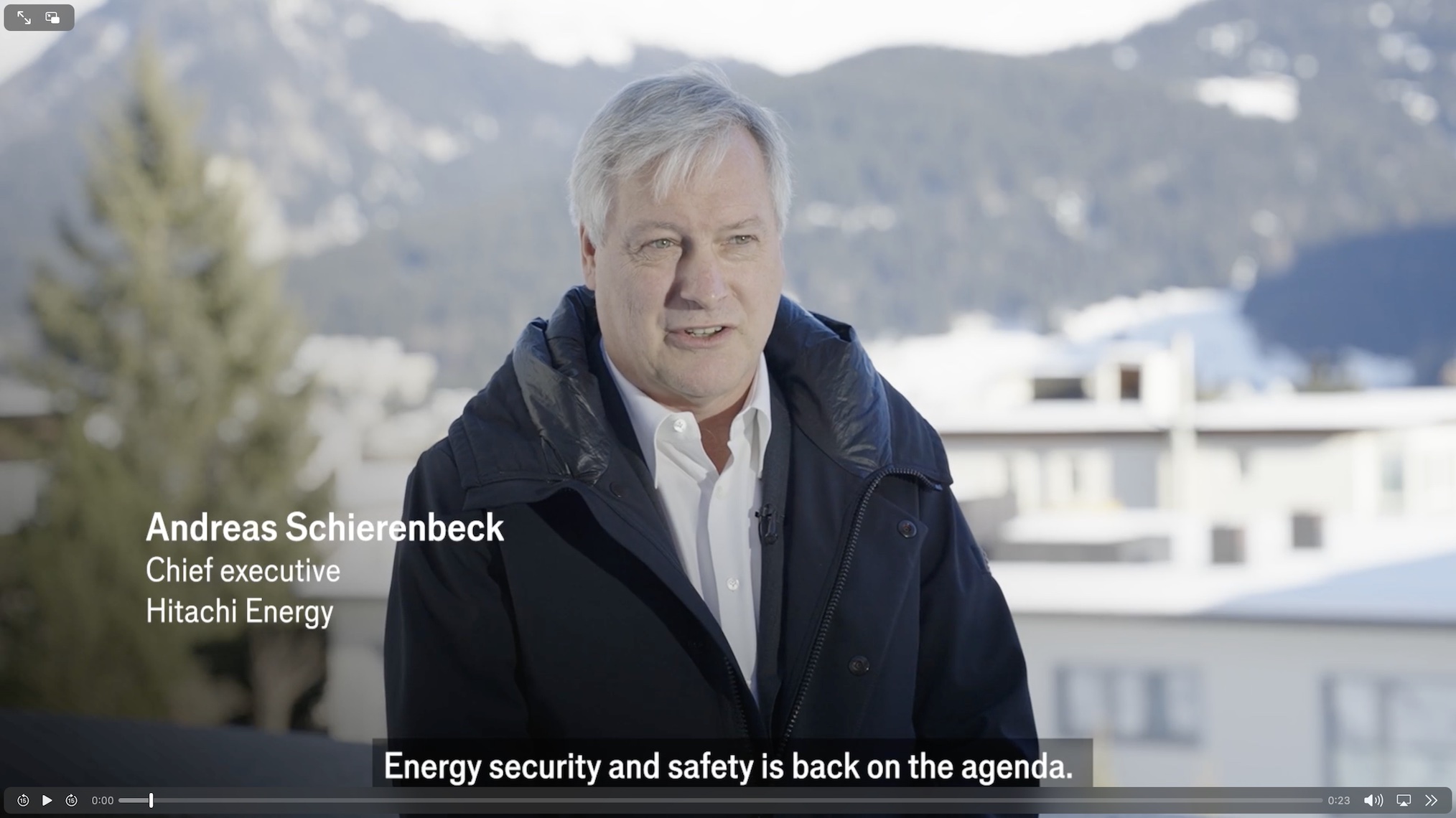
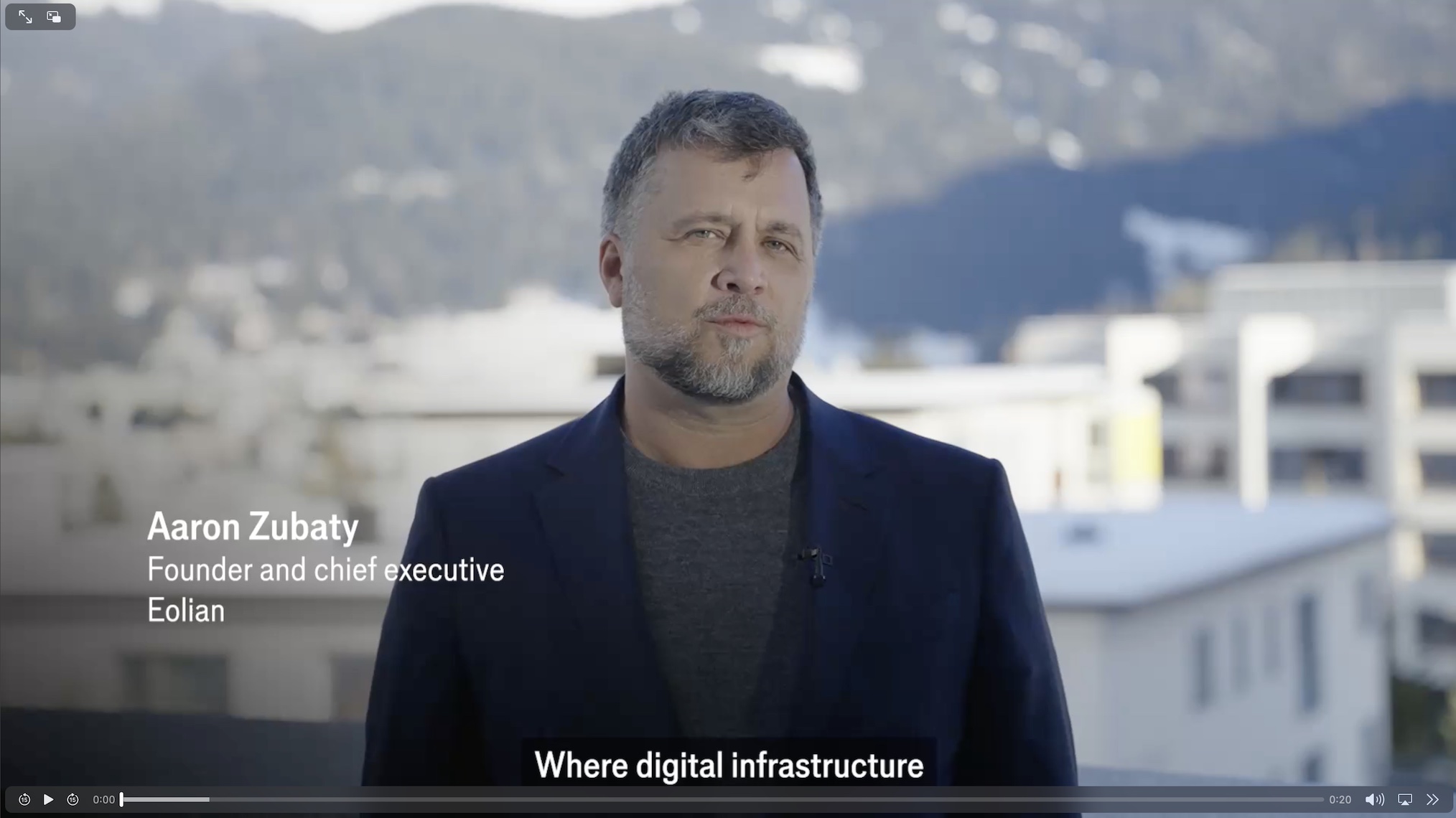
Post-event, the campaign continued with article and video amplification, ensuring the conversation did not end when the Davos session closed. The video asset, “Intelligence with infrastructure”, gave the campaign a more dynamic format, translating key ideas from the event into a short, accessible piece of thought leadership.
By combining targeted media, direct delegate outreach and trusted Economist channels, the campaign built both quality and scale: attracting the right people into the room, then extending Hitachi Energy’s message to a much wider audience of global business influencers.
Results
The campaign delivered against Hitachi Energy’s objectives: building awareness, strengthening thought leadership and positioning the brand as a trusted voice on secure, scalable and AI-enabled energy systems. By turning a busy Davos moment into a sustained platform for thought leadership, this enabled Hitachi Energy to own a business-critical conversation about the future of electricity.
Most importantly, the campaign created a credible platform for Hitachi Energy at one of the world’s most influential gatherings, placing the brand in direct conversation with senior leaders on the future of energy security, AI, electrification and grid resilience.
For Hitachi Energy, that meant more than just attendance. It meant meaningful engagement with the right people, around the right issue, at exactly the right global moment.